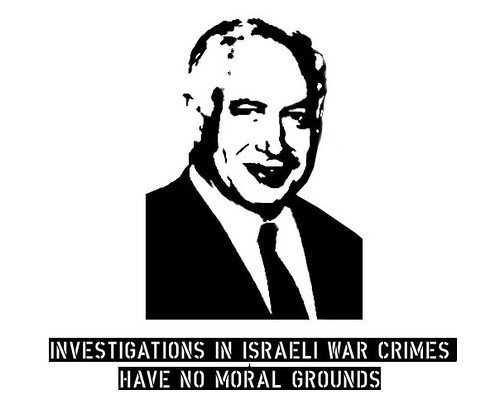

Israel genocide accusations have emerged from a UN panel, highlighting serious allegations of extermination in the West Bank and Gaza. This controversial report has ignited international discussions about human rights and accountability.
Understanding the UN’s Report
The recent report from a United Nations panel has intensified the debate surrounding Israel genocide accusations, particularly concerning its actions in Gaza and the West Bank. The panel characterized Israel’s military operations as systematic and calculated, suggesting a pattern of behavior that could amount to crimes against humanity.
Among the key findings of the report, the UN highlighted several critical points:
- Extermination Claims: The report outlines allegations of actions that may be interpreted as extermination, indicating a severe violation of international law.
- Impact on Civilians: It details the disproportionate impact on civilians, particularly women and children, who have faced severe hardships due to ongoing conflicts.
- Humanitarian Crisis: The report emphasizes the deteriorating humanitarian situation in Gaza, where access to basic necessities has been severely restricted.
These findings have sparked widespread outrage and calls for accountability, with various human rights organizations urging the international community to take immediate action. The report serves as a crucial document in the ongoing discourse on the Israel genocide accusations and the broader implications for peace and security in the region.
Background on Israel-Palestine Conflict
The Israel-Palestine conflict has deep historical roots, dating back over a century. This ongoing struggle revolves around territorial disputes, national identities, and competing claims to the land. Over the years, the conflict has seen numerous outbreaks of violence, with significant loss of life on both sides.
Recent events have intensified scrutiny of Israel’s actions, especially in light of accusations of genocide. The current humanitarian crisis in Gaza has drawn international attention, with many advocating for Palestinian rights and protection. The situation has led to widespread condemnation and allegations that Israel’s military tactics may constitute genocide, particularly in the context of the latest UN report.
The report highlights severe violations of human rights, raising concerns about the treatment of Palestinians in both Gaza and the West Bank. As tensions continue to rise, the accusations of genocide against Israel have become a focal point in global discussions on justice and accountability.
Understanding this complex backdrop is crucial for comprehending the gravity of the situation and the implications of the ongoing conflict for both Israelis and Palestinians.
Key Points of the Accusations
The recent accusations of genocide against Israel have drawn significant attention from the international community. Here are the key points surrounding these serious claims:
- UN Panel’s Findings: A UN panel has accused Israel of engaging in acts that amount to “extermination” in the West Bank and has labeled its actions in Gaza as genocide. This is based on a thorough examination of the ongoing violence and its implications for civilian populations.
- Historical Context: The accusations are rooted in a long-standing and complex history of conflict between Israel and Palestine, where a cycle of violence has led to numerous casualties and humanitarian crises.
- International Response: The allegations have prompted widespread debate and calls for accountability, with various human rights organizations echoing the need for an investigation into Israel’s military actions.
- Impact on Civilians: Critics argue that the military operations disproportionately affect civilians, raising ethical questions about the conduct of Israel in its military engagements.
These key points highlight the gravity of the Israel genocide accusations and their potential implications for international relations and humanitarian efforts in the region.
Reactions from Israel and Palestine
The accusations of genocide against Israel have elicited strong reactions from both Israeli and Palestinian officials. In response to the UN panel’s claims of ‘extermination’ in the West Bank and genocide in Gaza, Israeli officials have vehemently denied the allegations, asserting that their military actions are aimed at protecting citizens from terrorist threats.
Israeli Prime Minister has labeled the accusations as “outrageous” and part of a broader attempt to delegitimize the state of Israel. He emphasized that the conflict is rooted in a struggle against terrorism rather than a systemic campaign against the Palestinian people.
Conversely, Palestinian leaders have welcomed the UN’s report, viewing it as a validation of their long-standing claims. They argue that the evidence presented highlights the severe humanitarian crisis in Gaza and the ongoing oppression in the West Bank.
This divide in reactions illustrates the complexities surrounding the Israel genocide accusations. Both sides remain entrenched in their narratives, complicating the path toward potential resolutions and fostering ongoing tensions in the region.
Global Responses to the Allegations
The accusations of genocide against Israel have prompted a diverse range of global responses, reflecting the complexity of the situation in the region. Various countries and organizations have expressed their positions, some calling for accountability while others emphasize the need for negotiation and peace.
- The United Nations: Following the report by the UN panel, several member states have urged thorough investigations into the claims of genocide in Gaza and alleged extermination in the West Bank.
- Human Rights Organizations: Groups such as Amnesty International and Human Rights Watch have echoed these concerns, demanding international scrutiny of Israel’s actions.
- Western Governments: Some countries have shown support for Israel, arguing that the accusations are politically motivated, while others have called for a more balanced approach in addressing the humanitarian crisis.
- Middle Eastern Nations: Many nations in the region have condemned Israel’s actions, with some leaders labeling them as clear violations of international law and calling for immediate action.
As these allegations of genocide continue to unfold, the international community remains divided, highlighting the ongoing tensions surrounding the Israel-Palestine conflict.
Historical Context of Genocide Claims
The historical context of genocide accusations against Israel is deeply rooted in the longstanding Israel-Palestine conflict, which has seen cycles of violence and suffering on both sides. Since the establishment of the State of Israel in 1948, various groups have accused it of committing acts that they characterize as genocidal, particularly during significant military operations.
Key events, such as the 1967 Six-Day War and the 2014 Gaza War, have intensified these allegations, with reports of high civilian casualties and widespread destruction in Palestinian territories. The recent accusations, particularly those highlighted by a UN panel, have reignited discussions around the term “genocide” as it relates to Israel’s actions in Gaza and the West Bank.
Critics argue that such claims are not only based on individual incidents but also on systemic policies perceived as oppressive. International law defines genocide as actions intended to destroy a national, ethnic, racial, or religious group, which raises questions about Israel’s military strategies and their implications for Palestinian communities.
As accusations of genocide against Israel continue to surface, they underscore the complexity of the conflict and the urgency for a comprehensive resolution.
Impact on International Relations
The accusations of genocide against Israel have significantly influenced international relations, sparking debates and reshaping alliances across the globe. As the UN panel’s report highlights claims of ‘extermination’ in the West Bank and genocide in Gaza, countries are reevaluating their diplomatic stances.
Key impacts include:
- Shifting Alliances: Nations that previously maintained a neutral or supportive stance towards Israel are now reconsidering their positions, with some expressing solidarity with Palestine.
- Increased Tensions: The accusations have led to heightened tensions between Western nations and those in the Middle East, complicating existing partnerships.
- International Organizations: Calls for more robust actions from bodies like the UN have intensified, with some member states advocating for sanctions or probes into alleged war crimes.
- Public Opinion: Growing global protests and grassroots movements have emerged, pushing governments to respond to the accusations of genocide and reflect public sentiment.
As these developments unfold, the implications for Israel’s foreign relations remain profound, signaling a potential shift in how global powers interact with the nation amidst ongoing conflict.
Future Implications for Peace Talks
The accusations of genocide against Israel, particularly in relation to its actions in Gaza, have significant implications for future peace talks between Israel and Palestine. As the international community grapples with the allegations put forth by the UN panel, the prospect of constructive dialogue could be severely hindered.
Many analysts believe that these accusations may lead to a further entrenchment of positions on both sides. Key stakeholders in the peace process may find it increasingly difficult to engage in negotiations when such serious allegations are at the forefront of the discourse. The ongoing Israel genocide accusations not only complicate existing tensions but also influence public opinion and political narratives worldwide.
Moreover, the reactions from influential nations and organizations could shape the parameters of future discussions. There is a risk that the accusations may provoke unilateral actions, rather than collaborative efforts aimed at achieving long-term peace. With both sides maintaining their stances, the likelihood of reaching a consensus diminishes, potentially prolonging the conflict and further destabilizing the region.
Ultimately, the fallout from these allegations underscores the urgent need for renewed commitment to dialogue and diplomacy to navigate the path toward resolution.
The Israel genocide accusations have sparked intense debates around the world, with various groups presenting their perspectives on the ongoing conflict. Understanding the origins and implications of these Israel genocide accusations is crucial for a comprehensive view of the situation.
By Bertolé via Openverse
Where this came from


[…] Israel Genocide Accusations: The Worst Real Claims Explained […]
[…] Israel Genocide Accusations: The Worst Real Claims Explained […]